
Guides · Guides · 7 min read
Chemical Peels on Indian Skin: Side Effects and Darkening Risk
By the Perfect 5 Clinic team · Updated September 2026
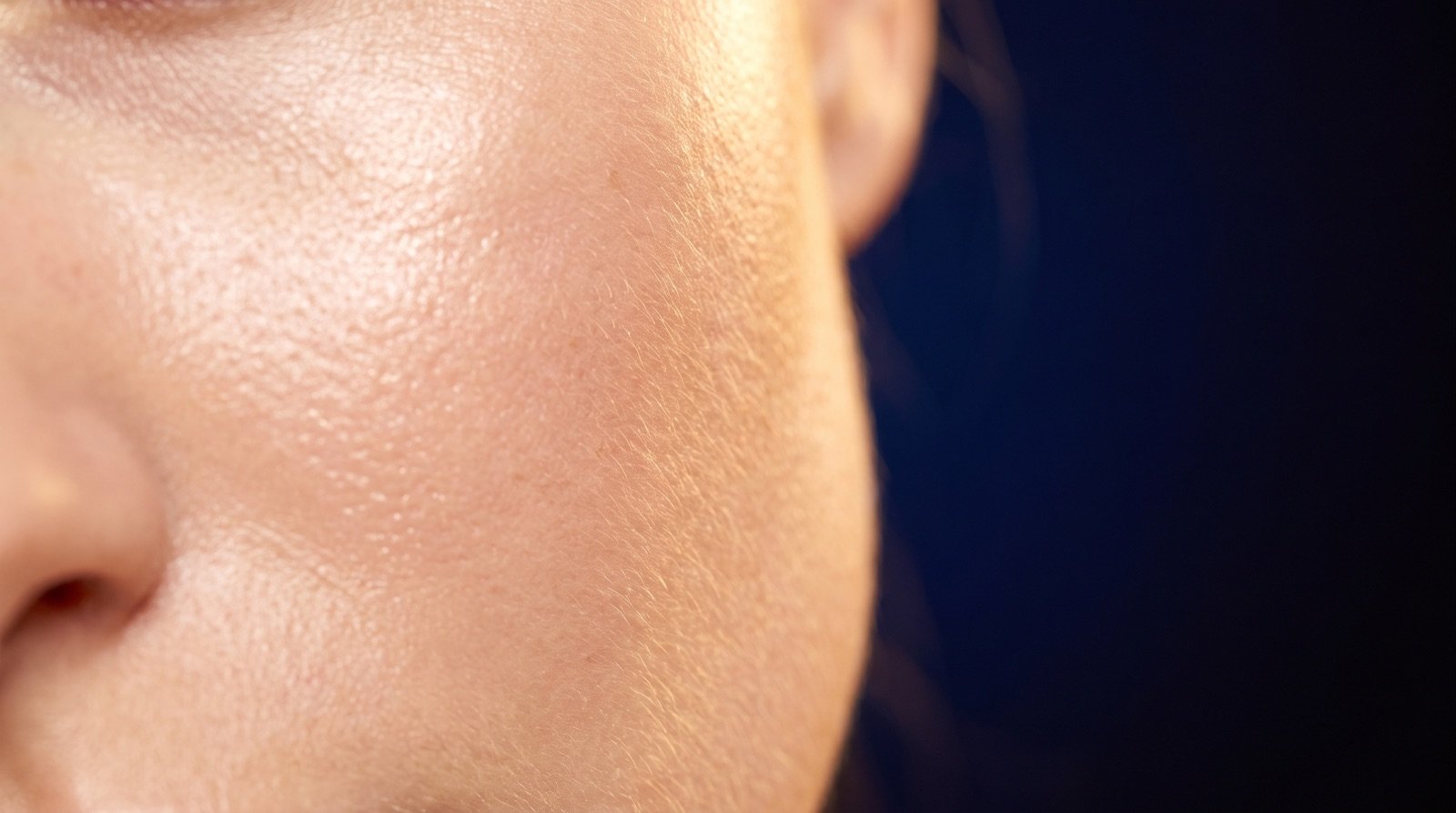
Yes, a chemical peel can be safe for Indian skin, as long as the peel is chosen for your skin and your concern, and the skin is ready on the day. Light peels are the usual starting point for brown skin. The most common problem on brown skin is darkening, known as post-inflammatory hyperpigmentation (PIH). Burns and scarring are less common but possible, mainly with stronger peels. The risk can be lowered with a careful assessment, a gentle start and strict sun protection afterwards.
This guide is for the stage before you book: why Indian skin reacts the way it does, what downtime to expect, when to get help and what to ask. If you have already had your peel, our separate post on microneedling and chemical peel aftercare covers the days after.
Is a chemical peel safe for Indian skin?
Most Indian skin falls in the light to deep brown range. The pigment cells in this skin are more reactive, which is why it tans easily and holds on to marks from pimples, insect bites or a scratch for weeks. A peel works by causing a controlled, mild injury so the top layer sheds and fresh skin comes through. On brown skin, if that injury goes a little too far, the pigment cells respond by making more colour.
So the margin for error is smaller than on very fair skin, and the choice of peel, how long it stays on and how the skin is prepared all matter more. Superficial peels, which only work on the outermost layer, have a good safety record on brown skin when used sensibly. Deeper peels carry more risk and are used far more cautiously, if at all.
- 1–2 days
- typical redness after a light peel
- About a week
- of visible peeling after a medium-depth peel
- 2 weeks
- after flaking stops, when lingering dark patches are worth a check
Can a peel make skin darker, and why?
It can. Darkening is the side effect people in India worry about most, and the worry is fair. It usually shows up as brown or greyish patches a week or two after the peel, often where the skin was most irritated. PIH often fades over months, though deeper, greyish darkening can take longer and may need treatment. Either way, it needs sun protection and an assessment, not another peel.
Common reasons a peel leaves skin darker
- The peel was too strong for the skin type, or was left on too long.
- The skin was already irritated on the day: recent waxing, threading, bleach, a scrub, a sunburn or a fresh tan.
- Strong home actives such as retinoids or acids were not paused before the peel when the clinician advised it.
- Sun exposure in the days and weeks afterwards, including short trips outdoors without sunscreen.
- Picking or pulling flakes, which injures skin that is still healing.
- Melasma that was not recognised before the peel. Melasma is easily provoked by heat and irritation and needs a much gentler plan.
In the first few days, some apparent darkening is something else. Existing spots can look a shade darker for a day or two before they flake off. A good clinic will warn you about this in advance.
What about TCA peels on Indian skin?
TCA (trichloroacetic acid) comes up a lot online. It can be used as a superficial or a medium-depth peel depending on strength and how it is applied, and it is also used in small, targeted amounts on some acne scars. At medium depth it causes more visible peeling and more inflammation, so the risk of darkening on brown skin is higher. Medium-depth TCA peels, and TCA on scars, should be done by, or under the direct supervision of, a qualified doctor, usually after the skin has handled gentler peels and been prepared properly. This is not a peel to buy online and try at home.
The same goes for strong home peel kits sold on shopping apps. Used on unprepared skin, especially in strong sun, they can easily cause burns and dark patches.
What downtime and side effects are normal?
Downtime grows with the depth of the peel, so ask which kind you are being offered before planning around work or an event. After a light peel, many people go back to work the same day or the next.
Usually normal
- Stinging, warmth or itching while the peel is on, settling soon after it is removed.
- With light peels, pinkness for a few hours to a couple of days, some tightness, and little or no visible flaking. Barely flaking does not mean the peel did nothing.
- Spots looking slightly darker for a day or two before they shed.
- With medium-depth peels, obvious peeling for about a week, and pinkness that can take a few weeks to settle.
Not normal: contact the clinic promptly, or see a doctor if the peel was done at a salon or at home
- Blisters, oozing or raw, weeping patches.
- Scabs, dark crusts or thickened, raised areas, which can lead to scarring.
- Signs of infection such as pus, spreading redness or fever. See a doctor the same day.
- Light or white patches.
- Dark patches that are still there two weeks after the skin has stopped flaking.
- Peel solution in the eye: rinse with plenty of clean water and get medical help.
- Hives, swelling of the lips or eyes, or trouble breathing. Seek urgent medical care for this.
For the day-to-day care after a peel, and the smaller signs worth a call, see our aftercare post.
“A stronger peel works faster, so it is worth it.”
On brown skin a stronger peel mostly raises the risk of darkening. Several gentle peels spaced out are usually the safer route.
“If my skin did not peel, it did not work.”
Many light peels cause little or no visible peeling. Any benefit builds over a course, not in one dramatic shed.
“Regular peels thin the skin for good.”
Light peels, properly spaced, work on the outermost layer, which renews itself. Peels that are too strong or too frequent can leave skin sensitive and irritated, another reason not to rush.
“Once a peel darkens the skin, it stays that way.”
Post-peel darkening often fades over months with sun protection and the right support. Deeper darkening can take longer and may need treatment, which is why prevention matters so much.
Who should wait or avoid a peel for now
- Pregnant or breastfeeding: many peels are postponed, so say so at the consultation.
- Currently on, or recently finished, oral isotretinoin for acne: the clinician will usually ask you to wait.
- Active eczema, rosacea flare, open cuts, a sunburn or an active cold sore on the area. If you get cold sores, mention it before any peel.
- Vitiligo, or a history of white patches after skin injury.
- An allergy to aspirin, if a salicylic acid peel is suggested.
- Recent laser treatment, waxing or threading on the area, or medicines that make skin sensitive to sun (mention everything you take).
- A history of keloids or thick, raised scars.
- A trip or outdoor event in the next two weeks where you cannot avoid the sun.
- Anyone who cannot commit to daily sunscreen for the weeks after the peel.
What should I ask before booking?
A safe peel starts with a proper conversation about your skin. Take these questions with you to the consultation.
Questions to ask before your first peel
- 1Which type of peel are you suggesting, and why this one for my concern and skin type?
- 2Do I have melasma, and does that change the plan?
- 3Is a small test spot sensible for my skin?
- 4How should I prepare my skin, and which products should I pause, and for how long?
- 5What will my skin look like on days one to seven with this peel?
- 6What happens if my skin darkens afterwards? Who do I contact?
- 7How many sessions do you expect, and how far apart?
- 8Is there any reason I should not have a peel right now?
If you are unsure whether your skin is ready, book a consultation at our East Patel Nagar, Indirapuram or Jaipur clinic. We will look at your skin, check for melasma and tell you plainly if a peel makes sense now, later or not at all.
Results and side effects vary from person to person. This article is general information, not a diagnosis. If you have melasma, a skin condition or a past reaction to a peel, get an in-person assessment before any treatment.
On Indian skin, the safest peel is the one that suits your skin on the day. Start gentle, prepare the skin, protect it from the sun and keep the clinic in the loop if anything feels off. That is how you keep the risk of dark patches as low as it can be.
Quick answers
Can brown or Indian skin have a chemical peel without darkening?
Often, yes, though no peel is risk-free. Choosing a peel that suits your skin type and concern, starting gently and following strict sun protection all help lower the chance of darkening, which is the most common problem on brown skin.
Why did my skin get darker after a chemical peel?
Usually because of post-inflammatory hyperpigmentation: the peel irritated the skin and the pigment cells made more colour. Common triggers are a peel that was too strong, skin that was already irritated, sun exposure afterwards or picking at flakes. It often fades over months, though deeper, greyish darkening can take longer and may need treatment, so get it assessed rather than peeling again.
How long is the downtime after a chemical peel?
It depends on depth. After a light peel, often little to none: some pinkness for a day or two and little visible flaking. Medium-depth peels usually mean about a week of obvious peeling, with pinkness that can take a few weeks to settle. Your clinician should tell you what to expect for the specific peel they suggest.
Are TCA peels safe for Indian skin?
At medium depth, TCA carries a higher risk of darkening on Indian skin than lighter peels. Medium-depth TCA peels, and TCA used on scars, should be done by, or under the direct supervision of, a qualified doctor, usually after the skin has been prepared and has handled gentler peels well. It should not be tried at home.
Do chemical peels have long-term side effects?
Light peels, properly spaced and done by a trained clinician, rarely cause lasting problems. Long-lasting darkening, light or white patches and scarring are uncommon, and are much more likely with peels that are too strong, too frequent or done at home.
Book chemical peels at a clinic near you
This guide is general information, not medical advice; individual results and suitability vary. For advice about your own skin or hair, book a consultation at any Perfect 5 Clinic.