
Guides · Guides · 6 min read
Pigmentation & melasma treatment in India: what actually works
By the Perfect 5 Clinic team · Updated July 2026
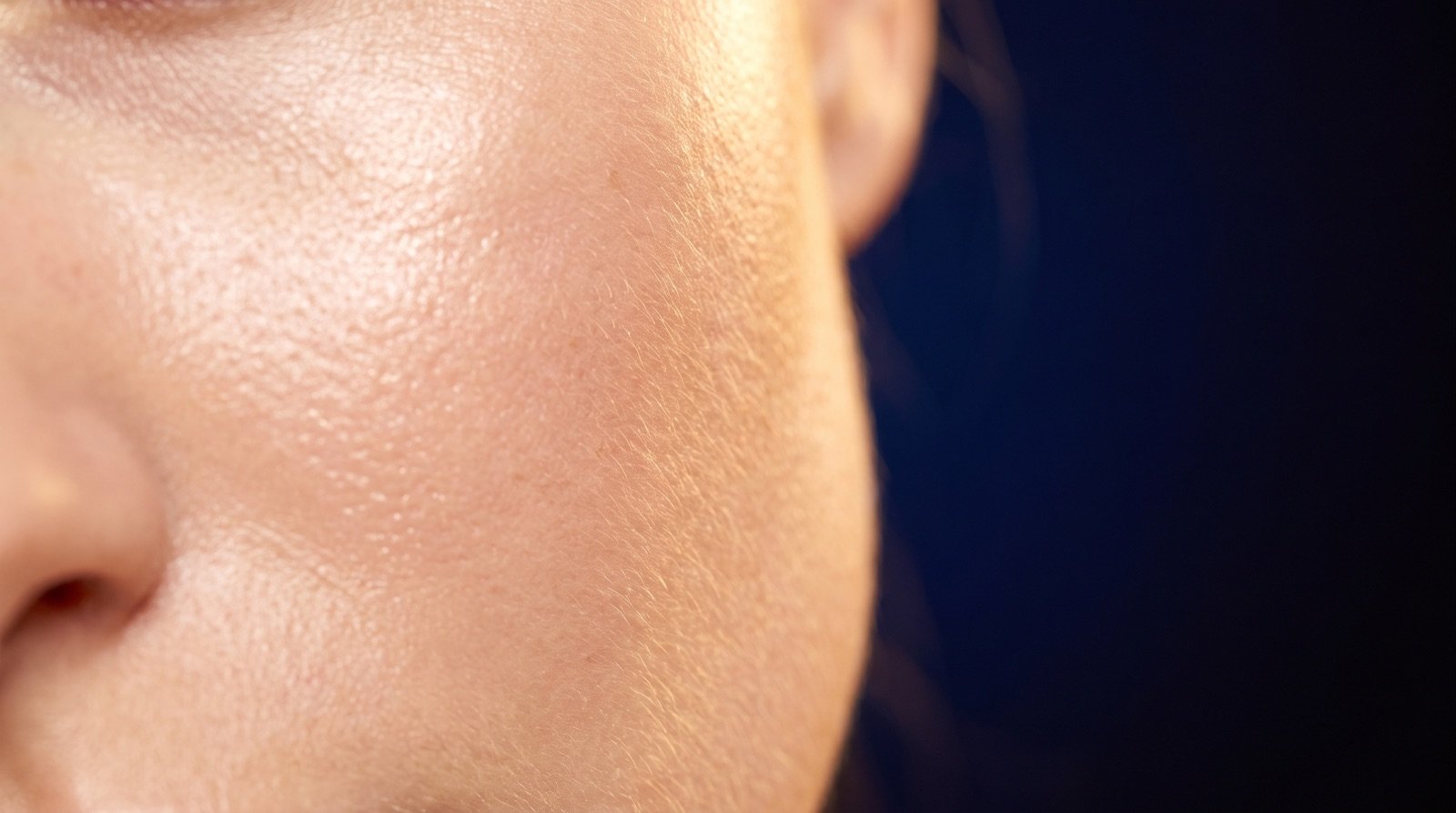
Pigmentation is the concern we hear about most — in Delhi, Jaipur, Hyderabad, everywhere. Dark patches on the cheeks, a shadow above the lip, tanning that never quite fades, spots left behind by old acne. It’s also the concern surrounded by the most myths, the most fairness creams, and the most money wasted on things that quietly make it worse.
Why Indian skin pigments so easily
Melanin-rich skin is beautifully protective — but that same melanin is quick to react. Sun, heat, friction, hormones, even inflammation from a single pimple can switch on pigment cells that are slow to switch off. That’s why pigmentation in Indian skin needs a gentler, more patient approach than the aggressive protocols marketed for fairer skin.
- 6–10 wks
- to see visible lightening
- SPF 50
- daily, non-negotiable
- Ongoing
- melasma needs maintenance
Not all dark patches are the same
The four we see most
- Sun spots and tanning — the most treatable, driven by UV exposure.
- Melasma — hormonal, symmetrical patches on the cheeks and lip; chronic and easily provoked.
- Post-acne marks (PIH) — the brown shadows acne leaves behind.
- Freckles and uneven tone — often a mix of genetics and sun.
What actually works
Evidence-led, in the right order
- A specialist assessment first — because melasma and PIH are treated very differently.
- Prescribed topicals and peels, chosen for your skin type, to fade pigment gradually and safely.
- Laser toning for stubborn cases, at settings chosen carefully for melanin-rich skin after an assessment.
- Barrier support (skin boosters, good aftercare) so results hold and pigment doesn’t rebound.
“One laser session will clear my melasma.”
Melasma is chronic — it’s managed, not “cleared” in a session. The aim is steady, safe lightening plus maintenance, never a one-time fix.
“A stronger fairness cream will fix it faster.”
Unsupervised, steroid- and hydroquinone-heavy creams often rebound the pigmentation darker. This is one of the commonest reasons melasma gets worse.
“I only need sunscreen when it’s sunny.”
UVA passes through clouds, glass and car windows all day. Daily SPF is the single biggest factor in whether pigmentation stays away.
Individual results vary with skin type, hormones and sun exposure. A consultation — not a product recommendation over WhatsApp — is the honest way to know your plan.
If you’ve been fighting pigmentation for years, the fix is rarely one dramatic treatment — it’s the right combination, done gently, in the right order, with sun protection holding it all together. That’s exactly how our specialists approach it across every Perfect 5 clinic in India.
Quick answers
How long does it take to lighten pigmentation?
Most people see visible lightening over 6–10 weeks with a consistent plan. Sun spots respond fastest; melasma is slower and needs ongoing maintenance to stay controlled.
Can melasma be cured permanently?
Melasma is best thought of as managed rather than cured. With the right treatment, daily sun protection and periodic maintenance, most people keep it faded and under control long-term.
Is laser safe for pigmentation on Indian skin?
Yes, when the settings are chosen for your skin rather than applied off a chart. Melanin-rich skin needs gentler, carefully judged energy; the risk comes from aggressive or wrongly-set treatment, which is why a patch test and a specialist assessment matter before anything is switched on.
This guide is general information, not medical advice; individual results and suitability vary. For advice about your own skin or hair, book a consultation at any Perfect 5 Clinic.